Why patience matters in wildlife photography
A short note on the only skill that actually changes wildlife photographs — the willingness to do nothing for a long time.
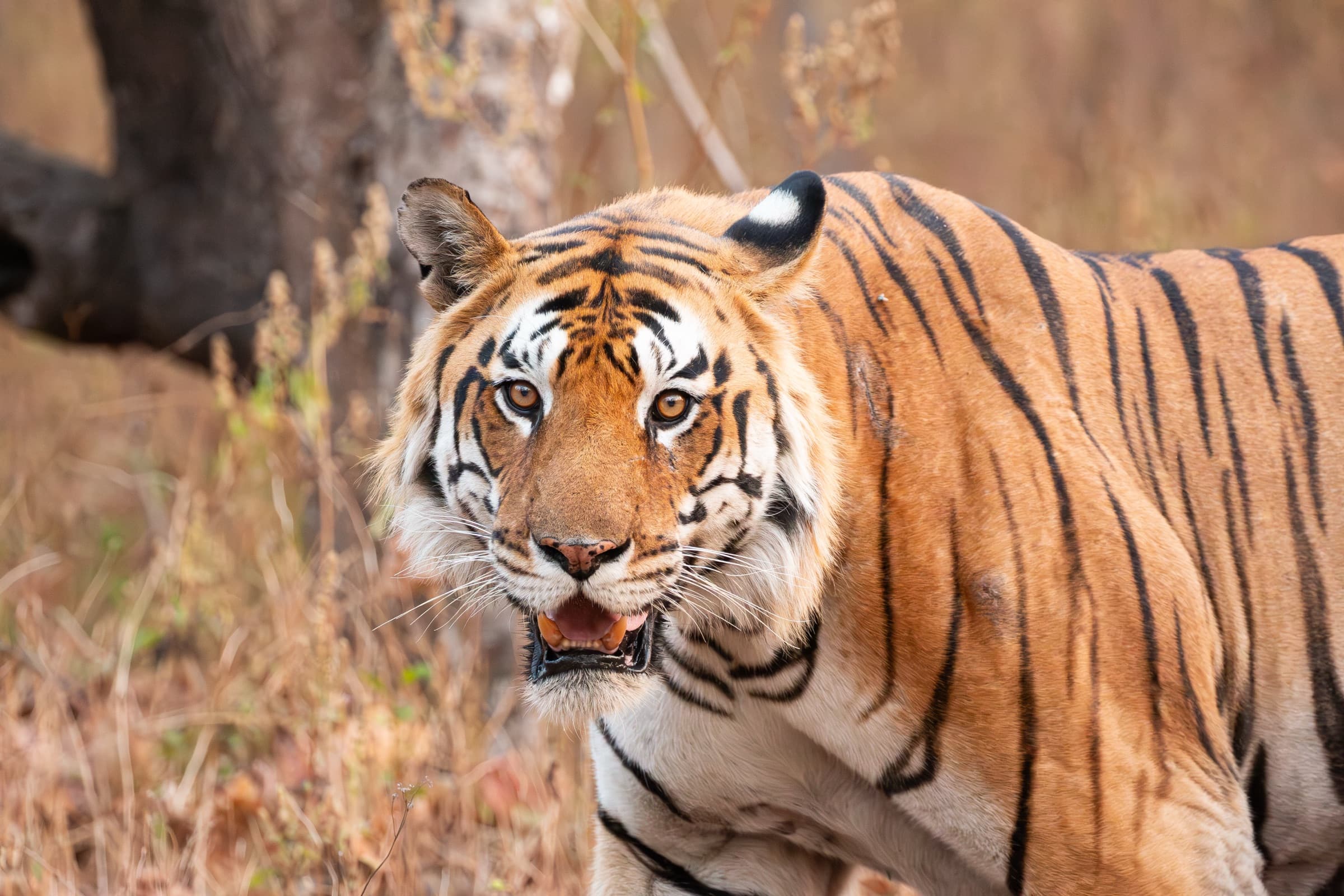
The first thing I learned, photographing wildlife, is that almost everything that makes a frame good happens before you press the shutter.
The second thing I learned is that the part where you don't press the shutter is significantly longer than the part where you do.
The math of the wait
A good morning in a forest looks something like this: ten minutes of driving, two hours of stopping at a bend in a road, four minutes where something actually happens, and then forty minutes of watching the same tree to see if it happens again.
If you walked up to a stranger and asked them to sit perfectly still in a hot vehicle for two hours so they could possibly see a tiger walk across a road for fifteen seconds, they would say no. We say yes because we have made ourselves believe the math. The math is fine. The math is the photograph.
What I keep getting wrong
Even after a few hundred mornings in forests, I still want to move. The sound, the leaves, the shadow that shifted — every small change in the forest convinces me that something more interesting is happening fifty metres away. It almost never is. The animal almost always shows up exactly where we were already looking, twenty minutes after we considered giving up.
The only useful skill I've learned is to stay where I'd already chosen to stay. Almost every frame I'm proud of came from sitting through one extra silence.
The note for next time
Wait through the first quiet. Then wait through the second one.